
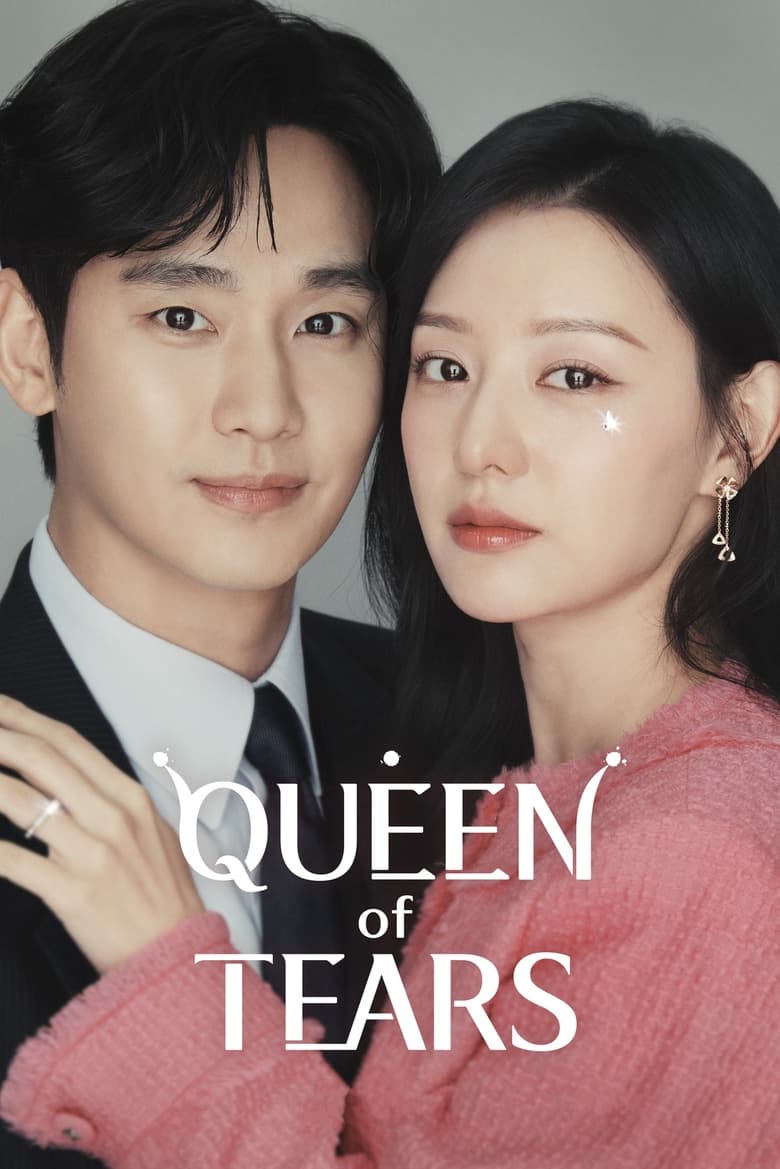
Decoding the Unprecedented Phenomenon of Queen of Tears
In the fiercely competitive world of K-dramas, where new series are launched weekly and global attention is a fleeting prize, one show has unequivocally dominated the conversation in 2024: Queen of Tears. This wasn't just another romantic comedy; it was a cultural juggernaut, shattering viewership records and solidifying its place as a benchmark for what modern K-drama can achieve. From its initial broadcast on tvN to its worldwide distribution on Netflix, this series didn't just capture hearts; it owned them, proving that a well-crafted story with exceptional performances can truly transcend borders.
The series burst onto the scene with a premise that was both familiar and fresh: a marriage in crisis between a chaebol heiress and a humble corporate lawyer. Yet, beneath this seemingly conventional setup lay layers of emotional depth, sharp wit, and unexpected turns that kept audiences utterly enthralled. It’s a testament to the creators' vision and the cast’s dedication that Queen of Tears managed to resonate so deeply with millions, becoming not just a hit, but a genuine cultural moment.
The Unrivaled Chemistry: Kim Soo-hyun and Kim Ji-won's Masterclass
At the heart of Queen of Tears' monumental success lies the electrifying, undeniable chemistry between its two lead actors, Kim Soo-hyun as Baek Hyun-woo and Kim Ji-won as Hong Hae-in. These aren't just pretty faces; they are seasoned professionals who brought an astonishing level of nuance and raw emotion to their complex characters. Their performances weren't merely portrayals; they were transformative, making viewers believe in their tumultuous love story, their pain, and their eventual redemption.
Kim Soo-hyun, already a household name, proved once again why he's one of Korea's most sought-after actors, effortlessly oscillating between Hyun-woo's comedic vulnerability and his profound despair. His ability to convey so much with just a glance or a subtle shift in expression is truly unparalleled. Complementing him perfectly, Kim Ji-won delivered a career-defining performance as the formidable yet fragile Hong Hae-in. She masterfully peeled back the layers of a seemingly cold, powerful CEO, revealing the deep-seated fears and yearning beneath.
Their scenes together, whether filled with fiery arguments or tender moments of reconciliation, were nothing short of magnetic. It's this authentic connection, this palpable sense of a shared history and an uncertain future, that elevated Queen of Tears from a good drama to an iconic one. Their on-screen synergy was a masterclass in acting, making their characters' journey feel incredibly real and deeply personal to every viewer.
A Story That Cuts Deep: Beyond the Fairy Tale Facade
While Queen of Tears had its fair share of laugh-out-loud moments and charming romantic beats, its true power lay in its willingness to tackle heavier themes with grace and unflinching honesty. The drama delves into the harsh realities of marriage, the immense pressures of family expectations within the chaebol world, and the devastating impact of a life-threatening illness. It wasn't afraid to explore the ugly truths of relationships, making its eventual message of enduring love all the more poignant.
The narrative arc, which saw Hong Hae-in battling a rare brain tumor, added an urgent, heartbreaking dimension to the series. This wasn't a cheap plot device; it was a catalyst that forced both protagonists, and indeed the audience, to confront mortality, regret, and the true meaning of sacrifice. The intricate plot twists, the corporate intrigue, and the ever-present threat of betrayal kept the suspense high, but it was the emotional core of Hae-in and Hyun-woo's relationship that truly anchored the story.
The series also deftly explored the dynamics of family, both the dysfunctional Hong clan and Baek Hyun-woo's loving, supportive rural family. This contrast provided much-needed comedic relief while also highlighting the different forms of wealth and happiness. It’s a story that challenges viewers to look beyond superficial appearances and truly appreciate the love and connections that matter most, making it far more than just a typical romantic comedy.
Record-Breaking Numbers and Global Domination
The numbers don't lie: Queen of Tears wasn't just popular; it was a phenomenon. The series concluded its run as the highest-rated K-drama in tvN history, surpassing even the likes of Crash Landing on You and Goblin. Its finale episode achieved an astonishing 24.85% national rating, a testament to its immense hold on the Korean domestic audience. But its impact wasn't confined to Korea; it was a global sensation.
On Netflix, Queen of Tears consistently ranked among the top 10 most-watched non-English TV shows for weeks, topping charts in numerous countries across Asia, Europe, and the Americas. This global reach highlights the universal appeal of its themes and the undeniable star power of its leads. The drama became a constant trending topic on social media, sparking countless discussions, fan theories, and emotional reactions from viewers worldwide.
- Broke tvN's all-time viewership record for K-dramas.
- Consistently ranked in Netflix's Global Top 10 for Non-English TV.
- Generated massive social media buzz and fan engagement worldwide.
- Elevated the careers of its lead actors, Kim Soo-hyun and Kim Ji-won.
- Sparked renewed interest in destination tourism to its filming locations.
- Set a new standard for high-quality, emotionally resonant K-drama storytelling.
Its success is a clear indicator of the increasing global appetite for compelling Korean content, proving that stories crafted with care and passion can truly resonate across diverse cultures. If you're looking to dive deeper into this captivating series, you can find our in-depth review of Queen of Tears and explore more about its impact.
The Enduring Legacy of a Modern Classic
What makes Queen of Tears an enduring classic rather than a fleeting hit? It’s the meticulous storytelling, the stellar performances, and its ability to blend humor, romance, and profound drama seamlessly. It challenged conventional K-drama tropes, offering a more mature and realistic portrayal of love and marriage, yet never losing its sense of hope or its capacity for joy.
The drama has undoubtedly left an indelible mark on the entertainment landscape, setting a new benchmark for narrative quality and global appeal. It reminded us that even in the darkest of times, love, resilience, and the willingness to fight for what truly matters can lead to the most beautiful of endings. Queen of Tears isn't just a show; it's an experience, a journey that viewers won't soon forget, and a definitive highlight of 2024's K-drama offerings.
