
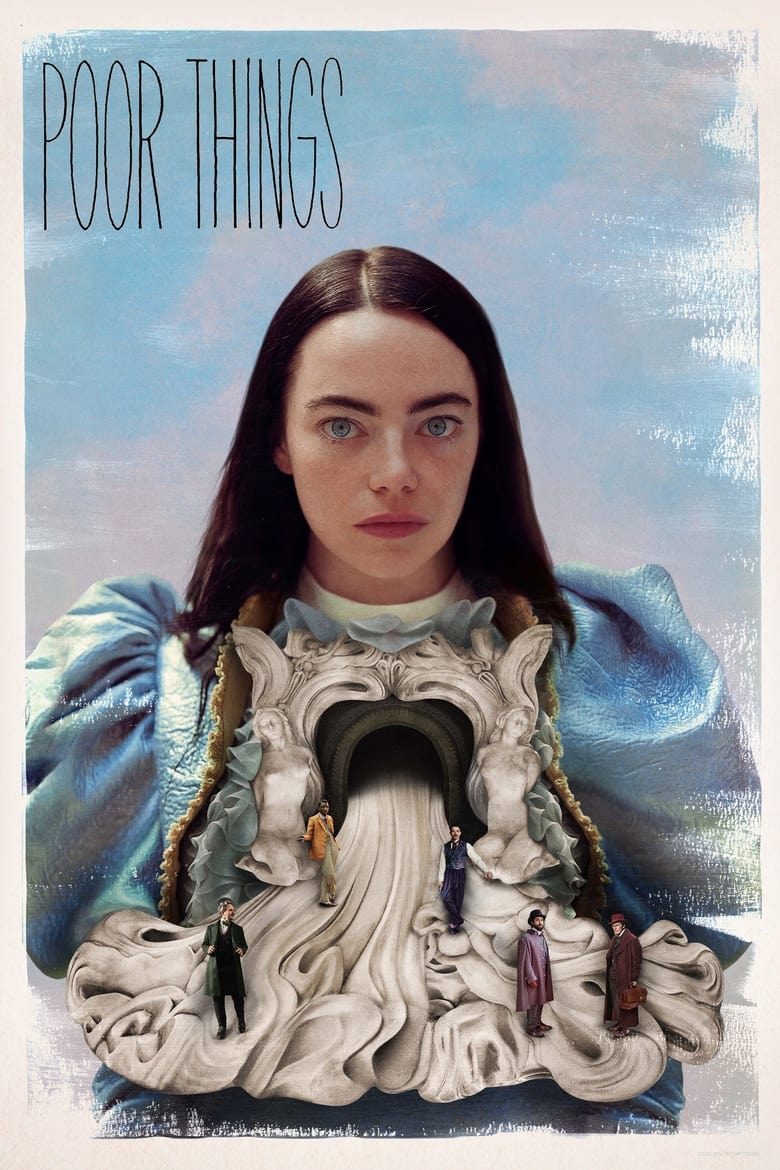
Bella Baxter's Grand Awakening: Why Poor Things is the Talk of the Town
In a cinematic landscape often accused of rehashing old ideas, director Yorgos Lanthimos has once again proven himself a masterful disruptor. His latest offering, Poor Things, isn't just a movie; it's a vibrant, bizarre, and utterly captivating experience that has taken the awards season by storm and ignited conversations across the globe. From its wildly imaginative aesthetics to a career-defining performance by Emma Stone, this film is a glorious, grotesque triumph that demands your attention, challenging everything you thought you knew about storytelling and female liberation.
Released to critical acclaim and garnering multiple Academy Awards, including Best Actress for Stone, Poor Things is more than just a quirky period piece. It's a profound, hilarious, and often shocking exploration of identity, freedom, and the societal constructs that attempt to define us. If you haven't yet plunged into the fantastical world of Bella Baxter, prepare yourself for a ride unlike any other.
A Frankensteinian Fantasy Reimagined: The Genius of Lanthimos
At its core, Poor Things is a twisted, darkly comedic take on the Frankenstein mythos. We follow **Bella Baxter**, a young woman resurrected by the eccentric, brilliant, and disfigured scientist Dr. Godwin Baxter (a wonderfully nuanced Willem Dafoe). Bella is given the brain of her unborn child, resulting in a woman with a child's mind in an adult body. Her journey of self-discovery is the film's beating heart, a rapid-fire evolution from primal urges to intellectual curiosity, unburdened by societal shame or conventional morality.
Lanthimos, known for his distinctive, often unsettling style in films like The Favourite and The Lobster, reaches new heights here. The film’s visual language is a character in itself, morphing from stark black-and-white to dazzling, saturated color as Bella's world expands. The production design is an opulent, anachronistic dreamscape, blending Victorian sensibilities with steampunk futurism, creating a unique backdrop for Bella’s extraordinary education. It’s a bold artistic statement that ensures **Poor Things** stands out in a crowded field of contenders, much like the sweeping visual ambition seen in a film like Dune: Part Two.
Emma Stone's Fearless & Flawless Transformation as Bella Baxter
There are performances that are good, and then there are performances that redefine an actor's legacy. Emma Stone's Bella Baxter falls squarely into the latter category. It's a portrayal of breathtaking courage, vulnerability, and comedic timing that is nothing short of mesmerizing. Stone navigates Bella's physical and intellectual growth with astounding precision, from her initial clumsy movements and childlike speech to her eventual articulate and fiercely independent persona.
Her commitment to the role, including its explicit and often uncomfortable aspects, is absolute. She embodies Bella's uninhibited exploration of sexuality, pleasure, and the world with a fearlessness that demands respect. This isn't just acting; it's an inhabitation. Alongside her, Mark Ruffalo delivers a surprisingly hilarious and pathetic turn as **Duncan Wedderburn**, the cad who attempts to control Bella, only to be constantly outwitted by her burgeoning intellect. Dafoe's **Godwin Baxter** provides the film's emotional anchor, a tender and complex paternal figure.
- Emma Stone's Oscar-winning performance is a masterclass in physical and emotional transformation.
- The film's exploration of female autonomy and societal liberation is both timely and timeless.
- Yorgos Lanthimos's unique visual style creates an unforgettable, anachronistic world.
- The darkly comedic tone skillfully balances humor with profound philosophical questions.
- An outstanding supporting cast, including Willem Dafoe and Mark Ruffalo, elevates every scene.
Beyond the Shock Value: Unpacking the Profound Themes
While Poor Things is undeniably visually striking and often laugh-out-loud funny, its true power lies in its thematic depth. It’s a searing critique of patriarchy, societal norms, and the male gaze. Bella's journey is a microcosm of female experience, unlearning centuries of imposed modesty and subservience. She is a woman who learns to think, to question, and to own her desires and intellect without apology. Her sexual awakening is not exploitative; it's an integral part of her self-discovery, a tool for understanding the world and her place in it.
The film delves into existential questions about what it means to be human, the nature of consciousness, and the societal pressures that shape our identities. It champions curiosity, empathy, and the right to make one's own choices, no matter how unconventional. Lanthimos challenges us to confront our own biases and discomforts, presenting a protagonist who is both alien and profoundly relatable in her quest for self-determination.
The Verdict: A Bold, Unforgettable Cinematic Statement
Poor Things is not a film for the faint of heart, nor is it designed to be universally palatable. It’s provocative, explicit, and sometimes jarring, but it’s also undeniably brilliant. It’s a film that lingers long after the credits roll, sparking conversations and forcing introspection. Its unique blend of dark comedy, surreal fantasy, and poignant drama makes it a singular achievement in contemporary cinema.
For those seeking something genuinely original, thought-provoking, and visually spectacular, Poor Things is an absolute must-watch. It’s a testament to bold filmmaking and a celebration of female empowerment that will undoubtedly be discussed and dissected for years to come. Don't just watch it; experience it. And prepare to be utterly captivated by the audacious, unforgettable world of Bella Baxter.
