
Pixar's Emotional Rollercoaster Returns: Why Inside Out 2 Matters Now More Than Ever
Pixar is back, and this time, they're not just tugging at our heartstrings; they're attempting to untangle the complex, often chaotic, world of teenage emotions. The highly anticipated sequel, Inside Out 2, isn't just another animated film; it's a cultural event, poised to once again redefine how we talk about mental health, particularly for younger audiences navigating the treacherous waters of adolescence. The original Inside Out (2015) was a revelation, taking an abstract concept—the inner workings of a young girl's mind—and rendering it with unparalleled clarity, humor, and profound insight. It wasn't just a box office smash; it became a vital tool for parents, educators, and even therapists.
Now, as we prepare to revisit Riley's mind, a new challenge emerges: puberty. And with puberty, as any adult can attest, comes a whole host of brand-new, often overwhelming, emotions. This isn't just a simple addition to the cast; it's a monumental expansion of the film's psychological landscape, promising a deeper, more nuanced exploration of the human condition. Pixar, ever the trailblazer in 3D animation and storytelling, is once again stepping up to the plate, ready to deliver a narrative that is both entertaining and incredibly significant.
The stakes are higher this time. The first film set a remarkably high bar, earning an Academy Award and widespread critical acclaim for its originality and emotional depth. Can Inside Out 2 live up to that legacy while simultaneously pushing the envelope further? Early indications suggest a resounding yes. The trailers have already sparked immense interest, teasing the introduction of new core emotions that feel instantly relatable to anyone who has ever survived their teenage years. It’s a testament to Pixar’s genius that they can take something as intangible as a mood swing and turn it into a vibrant, engaging character.
Anxiety Takes Center Stage: Navigating the Teenage Mindscape
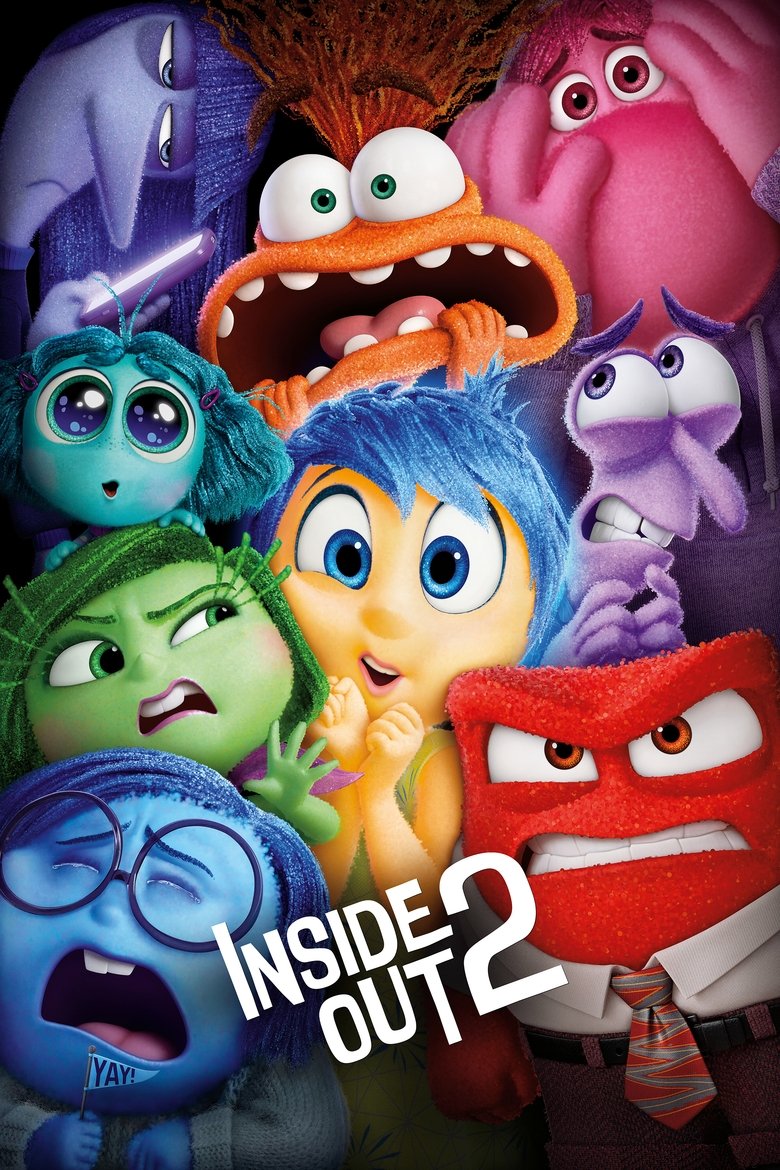
The biggest news surrounding Inside Out 2 is undoubtedly the introduction of new emotions, chief among them, Anxiety, voiced by the incomparable Maya Hawke. This isn't just a minor character; Anxiety appears to be a major player, disrupting the established order within Riley's mind and driving much of the film's conflict. Other new emotions include Envy, Ennui, and Embarrassment, each representing a facet of the complex emotional tapestry that defines adolescence. Make no mistake, this isn't merely adding more colors to the palette; it's introducing entirely new shades that profoundly alter the picture.
The decision to put Anxiety at the forefront is particularly poignant in today's world. Mental health discussions have become more prevalent, and anxiety among young people is a growing concern. By personifying this often-debilitating emotion, Pixar has the unique opportunity to normalize and contextualize it, offering a visual language for something many struggle to articulate. It’s a bold move, and one that showcases the studio’s commitment to not just entertain, but to enlighten and provide a platform for important conversations.
This expansion of Riley's emotional control panel promises to be both hilarious and heartbreaking. The original emotions—Joy, Sadness, Anger, Fear, and Disgust—now face an internal coup, struggling to maintain control as Riley navigates high school, new friendships, and the daunting prospect of self-discovery. This internal conflict mirrors the external turmoil of growing up, making the film incredibly resonant. It’s a sophisticated narrative choice that elevates Inside Out 2 beyond a simple children's movie, making it a must-see for all ages who want to understand the intricate dance of the human psyche.
The Evolution of 3D Animation and Storytelling Depth
Pixar has always been at the vanguard of 3D animation technology, consistently pushing boundaries not just for visual spectacle but for emotional expression. From the groundbreaking textures of Toy Story to the intricate worlds of Coco and Soul, each film has contributed significantly to the evolution of the medium. Inside Out 2 continues this tradition, promising even more detailed and nuanced animation to portray the vivid, abstract world inside Riley's mind. The challenge of rendering abstract concepts like anxiety or ennui into tangible, expressive characters is immense, and Pixar's artists consistently rise to the occasion.
But beyond the technical marvels, it's Pixar's unparalleled storytelling that truly sets them apart. They have a knack for tackling universal themes with a sensitivity and depth rarely seen in animated features. The original Inside Out, for instance, brilliantly articulated the necessity of sadness, a concept many struggle with. This sequel seems poised to do the same for the often-misunderstood complexities of teenage angst. The way they manage to blend laugh-out-loud humor with moments of genuine pathos is a masterclass in cinematic balance.
When we consider other films that delve into the intricate and sometimes dark corners of the human mind, even a vastly different film like the upcoming Joker: Folie à Deux explores psychological states, albeit with a dramatically different tone and target audience. Inside Out 2 demonstrates that animation is not merely for children but is a powerful vehicle for exploring the deepest aspects of the human experience across all demographics. Here's why Pixar's approach continues to be revolutionary:
- They humanize abstract concepts.
- They don't shy away from complex emotions.
- Their visuals are always in service of the story.
- They foster intergenerational dialogue about feelings.
- They push animation's technical and narrative limits.
A New Benchmark for Family Cinema and Emotional Intelligence
Inside Out 2 is poised to be more than just a summer blockbuster; it's a potential landmark in family cinema. Its predecessor wasn't just entertainment; it was a conversation starter, helping families, schools, and even mental health professionals discuss emotions in a more accessible way. This sequel, with its focus on the tumultuous teenage years and the introduction of emotions like Anxiety and Ennui, has the potential to expand that conversation significantly, offering a much-needed framework for understanding the internal struggles young people face today.
In an era where mental wellness is increasingly prioritized, a film that can both validate and illuminate these experiences for a broad audience is invaluable. Pixar has consistently demonstrated a commitment to emotional intelligence in their storytelling, and Inside Out 2 appears to be their most ambitious undertaking in this regard yet. It promises to be a film that entertains, educates, and perhaps most importantly, offers a sense of validation and understanding to anyone who has ever felt overwhelmed by their own emotions.
Expect a film that is visually stunning, emotionally resonant, and intellectually stimulating. Inside Out 2 isn't just a return to a beloved world; it's an essential journey into the evolving landscape of the human mind, proving once again that animation can be the most profound mirror of our inner selves. Prepare for another unforgettable ride through the headquarters of the mind, because Riley's teenage years are about to get very, very interesting.
