
The Emotional Rollercoaster Continues: Why We're Hyped for Inside Out 2
It’s rare for a sequel to genuinely capture the magic, let alone surpass the brilliance, of its predecessor. Yet, when Pixar announced Inside Out 2, a collective gasp of anticipation (and perhaps a little anxiety, fittingly) rippled through the entertainment world. The original Inside Out wasn't just a film; it was a masterclass in emotional intelligence, transforming abstract feelings into relatable, vibrant characters living within a young girl's mind. It redefined what animated storytelling could achieve, making complex psychological concepts accessible to children and profoundly resonant for adults.
Now, as Riley enters adolescence, the landscape of her mind is about to get a whole lot more crowded and chaotic. The trailers have offered tantalizing glimpses into this new emotional frontier, introducing a quartet of fresh faces that perfectly encapsulate the tumultuous teenage years. This isn't just another cash-grab sequel; it's a necessary evolution of a story that speaks directly to the heart of what it means to grow up, to grapple with new, often overwhelming, feelings.
Pixar's Animation Evolution: Pushing Boundaries in Emotional Storytelling
Pixar has always been synonymous with pushing the envelope, not just in animation technology but in narrative depth. From the groundbreaking realism of Toy Story to the intricate worlds of Coco and Soul, they consistently marry visual spectacle with profound human (or fish, or monster) experiences. Inside Out 2 is poised to continue this legacy, taking the already imaginative world of Riley's mind and expanding it with stunning visual metaphors for the burgeoning complexities of adolescence.
The challenge of animating abstract emotions like anxiety or ennui in a way that feels both distinct and integrated into an existing cast is immense, but if any studio can pull it off, it's Pixar. This film isn't just about rendering new characters; it's about visually articulating the internal conflicts and shifts that define teenagehood. We’re talking about a level of detail and expressiveness that truly sets the bar, much like how live-action epics such as Dune: Part Two redefine what’s possible in cinematic world-building. Expect seamless integration of cutting-edge 3D animation with a story that feels timeless and universally understood.
Navigating Teen Angst: The New Emotions and What They Mean for Riley
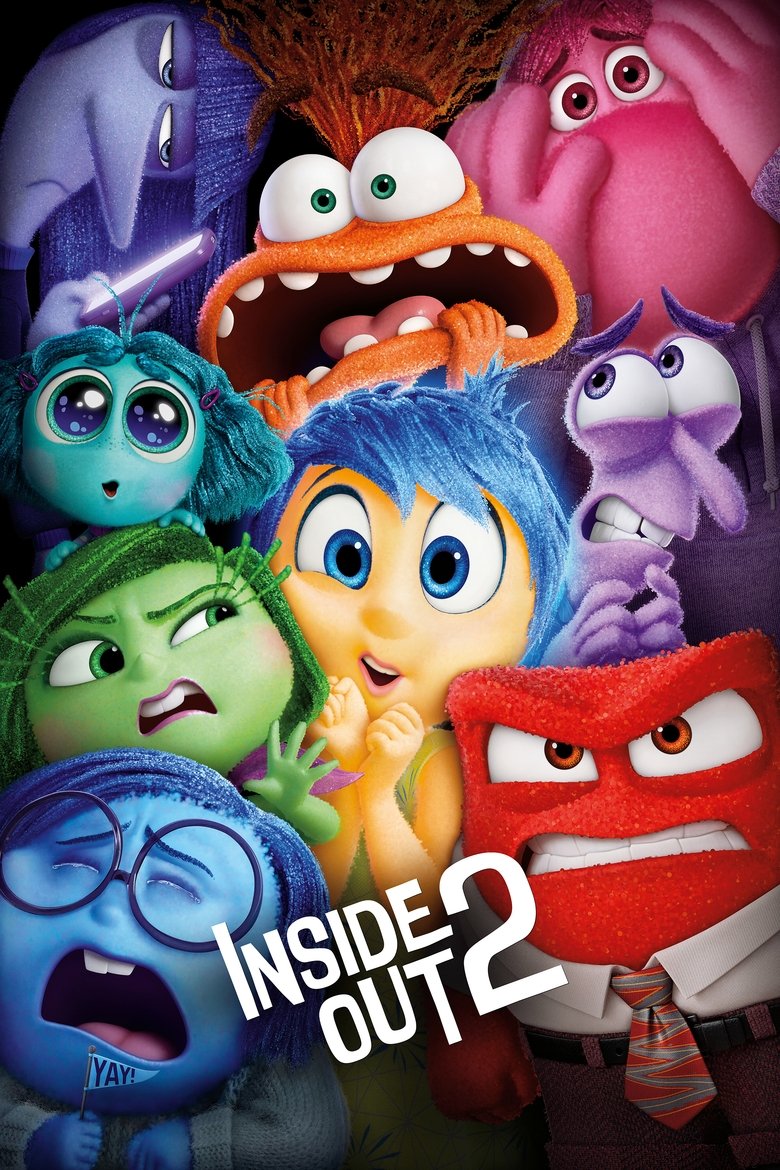
The genius of Inside Out 2 lies in its bold introduction of new emotions that are specifically tailored to the adolescent experience. While Joy, Sadness, Anger, Fear, and Disgust grappled with the innocence of childhood, teenage Riley needs a different kind of emotional arsenal. Leading the charge is Anxiety, voiced by Maya Hawke, a character whose frenetic energy and well-meaning but often disruptive interventions are instantly recognizable to anyone who’s navigated those formative years. Anxiety isn't just a background player; it feels like the central antagonist, or perhaps more accurately, the overzealous manager of Riley's new emotional headquarters.
But Anxiety isn't alone. We also meet Envy, a tiny green emotion full of longing; Ennui, a languid, eye-rolling personification of teenage apathy; and Embarrassment, a gentle giant who just wants to disappear. These additions promise a rich tapestry of internal conflict, forcing the original core emotions to adapt, compromise, and perhaps even cede control. The film promises to explore how these new feelings interact with the established five, creating a tumultuous, hilarious, and ultimately poignant portrayal of growing up. It's a brave new world for Riley, and for us, a fascinating look into the mental machinations of adolescence.
- Anxiety: The new, high-energy leader, trying to prepare Riley for every possible future.
- Envy: Small but mighty, always comparing Riley to others.
- Ennui: The quintessential bored teenager, detached and unimpressed.
- Embarrassment: A gentle, self-conscious giant, prone to hiding.
- The evolving dynamic between the original and new emotions.
- Riley's journey through self-discovery and identity formation.
The Future of Family Cinema: What Inside Out 2 Tells Us About Animated Storytelling
Inside Out 2 isn't just a highly anticipated release; it's a barometer for the evolving landscape of family cinema. Pixar has consistently proven that animated films can tackle incredibly complex, mature themes without sacrificing their appeal to younger audiences. This sequel, with its focus on mental health, identity, and the overwhelming nature of adolescence, solidifies the trend of animated features moving beyond mere escapism into meaningful, conversation-starting narratives. It’s a testament to the idea that animation can be a powerful tool for empathy and understanding, offering both children and adults a framework for discussing their own internal worlds.
The film’s potential to spark crucial conversations about emotional regulation and mental well-being in families cannot be overstated. It reinforces the idea that all emotions, even the uncomfortable ones, have a purpose. In a world where animated stories are increasingly sophisticated, appealing to broad audiences—much like how One Piece (Live-Action) brought a beloved anime to new fans—Inside Out 2 stands out as a beacon of intelligent, emotionally resonant storytelling. It’s not just a movie; it’s an experience, a mirror reflecting our own internal struggles and triumphs, wrapped in Pixar's inimitable magic. This is a must-watch, a film that promises to leave a lasting impression and likely dominate awards season discussions for animated features.
