
The Emotional Rollercoaster Returns: Why Inside Out 2 Matters
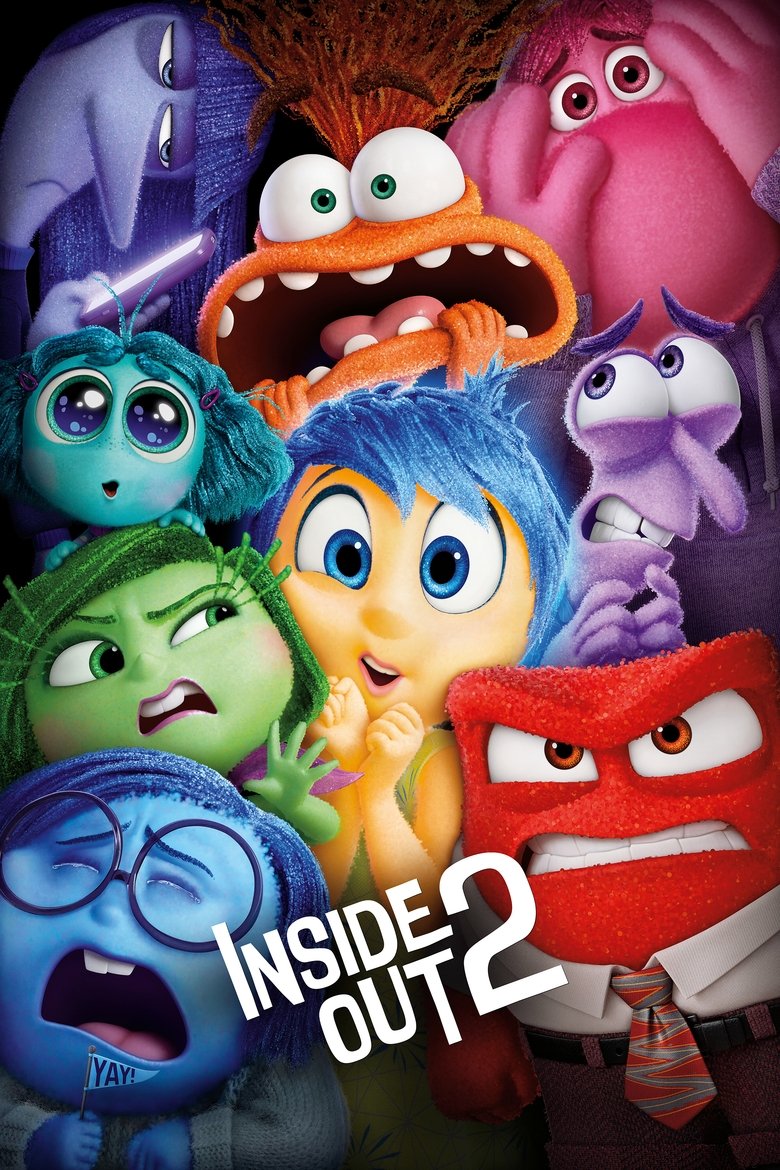
Pixar, the undisputed titan of emotionally resonant animation, is once again inviting us into the complex, vibrant world inside a teenager's mind with Inside Out 2. The original 2015 masterpiece wasn't just a film; it was a psychological deep dive, a visual metaphor for the human condition, and a critical lesson in emotional intelligence disguised as a family movie. Now, as Riley navigates the tumultuous waters of adolescence, we're introduced to a whole new crew of feelings, promising to expand the already rich emotional landscape.
This isn't just another sequel; it's a testament to Pixar's commitment to evolving its narratives alongside its audience. Moving from childhood to the brink of puberty, Inside Out 2 tackles a period of life universally understood yet rarely portrayed with such nuance in animated features. The anticipation isn't just for dazzling animation, but for the profound understanding and validation it offers to young viewers grappling with their own burgeoning emotional palettes.
Pushing the Boundaries of 3D Animation and Storytelling
The first Inside Out set an incredibly high bar for visually representing abstract concepts. Joy, Sadness, Anger, Fear, and Disgust weren't just characters; they were personifications of complex internal states, rendered with an imaginative flair that only Pixar could achieve. Inside Out 2 promises to elevate this even further, introducing new emotions like Anxiety, Envy, Ennui, and Embarrassment, each meticulously designed to reflect their core essence.
The challenge of making these new, often more nuanced, emotions visually distinct and relatable while maintaining the established aesthetic is immense. Pixar's animators are tasked with not just creating characters, but embodying psychological states. This requires sophisticated 3D modeling, advanced lighting techniques, and an unparalleled understanding of character animation to convey subtle shifts in mood and thought. It’s a masterclass in how animation can transcend mere spectacle to become a powerful tool for conveying complex ideas.
While 3D animation continues to evolve, pushing photorealism and stylistic boundaries, it's worth noting that diverse animation styles, from the intricate hand-drawn look to dynamic 2D, also continue to captivate audiences. For instance, the visually striking action in SPY x FAMILY CODE: White showcases a different, yet equally compelling, approach to animated storytelling that resonates deeply with its audience.
Navigating Adolescence: A New Era for Family Cinema
What truly sets Inside Out 2 apart, beyond its technical brilliance, is its willingness to delve into the often-messy realities of adolescence. The introduction of Anxiety as a central player is particularly poignant, reflecting a growing societal awareness of mental health challenges among young people. This film isn't shying away from difficult conversations; it's inviting them, providing a framework for families to discuss feelings that might otherwise feel overwhelming or isolating.
By framing these experiences through the relatable lens of Riley's mind, Pixar is doing more than just entertaining; it's offering a valuable tool for emotional literacy. This marks a significant trend in family cinema, where major studios are increasingly tackling mature themes with sensitivity and depth, moving beyond simplistic narratives to foster empathy and understanding. It's a maturation of the genre that benefits everyone, especially the young audience members navigating their own internal worlds.
Pixar's Legacy and the Future of Animated Storytelling
Inside Out 2 isn't just a standalone film; it's a vital chapter in Pixar's ongoing legacy of groundbreaking storytelling. From Toy Story to Up, Pixar has consistently redefined what animated films can achieve, blending technical innovation with heartfelt narratives. This sequel appears poised to continue that tradition, solidifying its place not just as an animation studio, but as a purveyor of universal human experiences.
The success of Inside Out 2 will undoubtedly influence future animated productions from Disney, DreamWorks, and others, encouraging them to invest in stories that are both visually spectacular and emotionally profound. It’s a clear signal that audiences are hungry for more than just escapism; they crave connection, understanding, and stories that reflect the beautiful, bewildering complexity of life itself. Expect this film to set new benchmarks for how animated cinema approaches character development and emotional intelligence.
- Complex Emotional Themes: Deep dive into adolescent psychology.
- Groundbreaking Animation: Visualizing abstract emotions with stunning detail.
- Relatable Characters: New and returning emotions that resonate with all ages.
- Pivotal Sequel: Expanding on a beloved and critically acclaimed original.
- Family Discussion Starter: A powerful tool for emotional literacy.
- Pixar's Continued Excellence: Reinforcing their position as animation leaders.
Ultimately, Inside Out 2 isn't just a film to watch; it's an experience to be felt. It’s a powerful reminder of the genius that Pixar brings to the table, and a beacon for the future of animated cinema that dares to be as intelligent as it is entertaining. Don't miss this journey back into the mind – it promises to be as enlightening as it is emotionally charged.
