
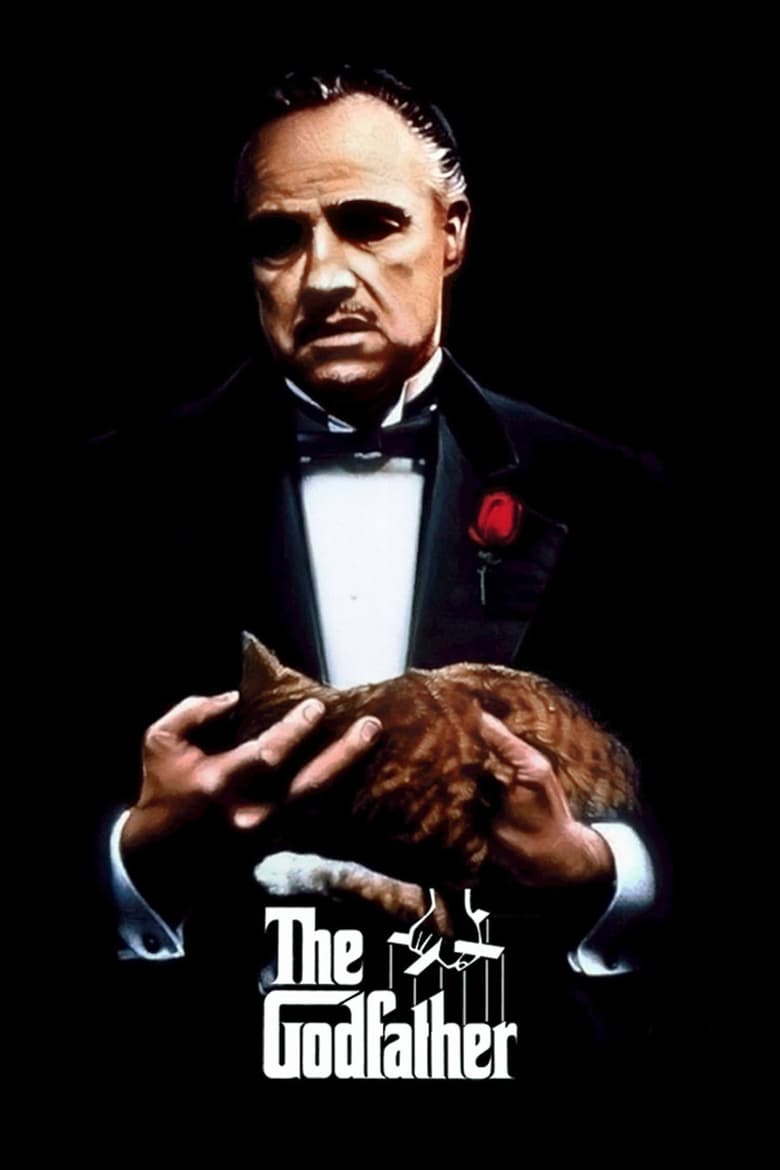
The Unyielding Power of The Godfather: Why Coppola’s Masterpiece Endures
In the vast pantheon of cinematic achievements, few films cast a shadow as long and as profound as Francis Ford Coppola’s 1972 epic, The Godfather. More than fifty years since its release, this sprawling crime drama remains a touchstone for filmmakers, actors, and audiences alike, consistently topping lists of the greatest movies ever made. It’s not merely a gangster film; it’s a Shakespearean tragedy dressed in the finest suits, a profound meditation on family, power, loyalty, and the corrupting nature of the American Dream.
Its enduring appeal isn't accidental. From its meticulous direction to its groundbreaking performances and indelible score, The Godfather carved out a niche that transcends genre, offering a timeless narrative that feels as relevant today as it did half a century ago. It redefined the crime drama, elevating it from pulp fiction to high art, and cemented its place as an undisputed classic that demands repeated viewings.
The Corleone Saga: A Masterclass in Storytelling and Adaptation
At its heart, The Godfather is a story about family—the Corleones, a powerful Italian-American crime family in post-war New York. Based on Mario Puzo’s bestselling novel, the film meticulously chronicles the transfer of power from the aging patriarch, Vito Corleone, to his reluctant, college-educated youngest son, Michael Corleone. What begins as a tale of familial duty slowly morphs into a stark exploration of moral decay, as Michael descends deeper into the violent underworld he initially sought to avoid.
Coppola, against significant studio interference, fought to maintain the novel’s intricate character development and its nuanced portrayal of the mob. He insisted on authenticity, from the Italian dialects to the meticulous period details, ensuring the world of the Corleones felt lived-in and real. This commitment to realism, coupled with Puzo's compelling narrative structure, allowed the film to explore universal themes of betrayal, vengeance, and the blurred lines between justice and criminality, making it far more than just a mob movie.
Iconic Performances: A Pantheon of Unforgettable Characters
A significant pillar of The Godfather’s legendary status is its ensemble cast, delivering performances that have become benchmarks in acting history. Marlon Brando’s portrayal of Vito Corleone is nothing short of transformative. His gravelly voice, gentle demeanor masking an iron will, and profound presence earned him an Academy Award and solidified his reputation as one of cinema’s greatest.
Equally revelatory was Al Pacino as Michael Corleone. His journey from an innocent war hero to a ruthless, calculating crime lord is a masterclass in subtlety and internal transformation, a chilling arc that defines the film. Beyond these titans, the supporting cast shines brilliantly:
- James Caan as the hot-headed, fiercely loyal Sonny Corleone.
- Robert Duvall as the calm, pragmatic consigliere, Tom Hagen.
- Diane Keaton as Kay Adams, Michael’s outsider wife, whose increasing alienation reflects his moral decline.
- John Cazale as the meek and tragic Fredo Corleone.
Each actor embodies their character with such conviction that they feel like real people, their fates intertwined in a grand, tragic opera.
Crafting Immortality: Coppola's Vision and Artistic Choices
Francis Ford Coppola's directorial vision for The Godfather was nothing short of revolutionary. He eschewed the flashy violence often associated with gangster films, instead opting for a more contemplative, almost operatic pace that allowed tension to simmer and character motivations to unfold organically. His meticulous attention to detail, from the production design to the costuming, immerses the viewer completely in the 1940s and 50s.
The film's visual language, crafted by cinematographer Gordon Willis, is equally iconic. Willis's use of deep shadows and warm, sepia tones created a distinct, chiaroscuro aesthetic that perfectly mirrored the moral ambiguity of the Corleone family. This dark, rich palette became synonymous with the film, underscoring its somber themes. Much like how modern epics such as Dune: Part Two redefine their genres through audacious artistic choices and grand scale, Coppola’s bold vision for The Godfather fundamentally shifted the landscape of cinematic storytelling.
And then there's Nino Rota's unforgettable score. The mournful trumpet, the elegant waltz, the haunting melodies – Rota's music is not merely background; it's a character in itself, weaving through the narrative, echoing the characters' hopes, sorrows, and ultimate fates. It's impossible to imagine the film without its iconic musical motifs.
A Legacy Etched in Film History
The impact of The Godfather on cinema and popular culture is immeasurable. It spawned two critically acclaimed sequels, though none quite reached the towering heights of the original. Its dialogue has become part of our lexicon (“I’m gonna make him an offer he can’t refuse”), its scenes endlessly parodied and paid homage to, and its influence can be seen in countless films and television shows across various genres, particularly those focusing on crime, family sagas, and power dynamics.
More than just a commercial success or critical darling, The Godfather is a cultural touchstone that continues to resonate because it speaks to universal human experiences: the allure of power, the bonds of family, the struggle for identity, and the price of ambition. It's a film that demands to be studied, discussed, and re-watched, revealing new layers with each viewing.
In conclusion, The Godfather isn't just a movie; it’s an institution. It’s a testament to the power of storytelling, masterful direction, and unforgettable performances, securing its place as an enduring masterpiece in the annals of film history.
