
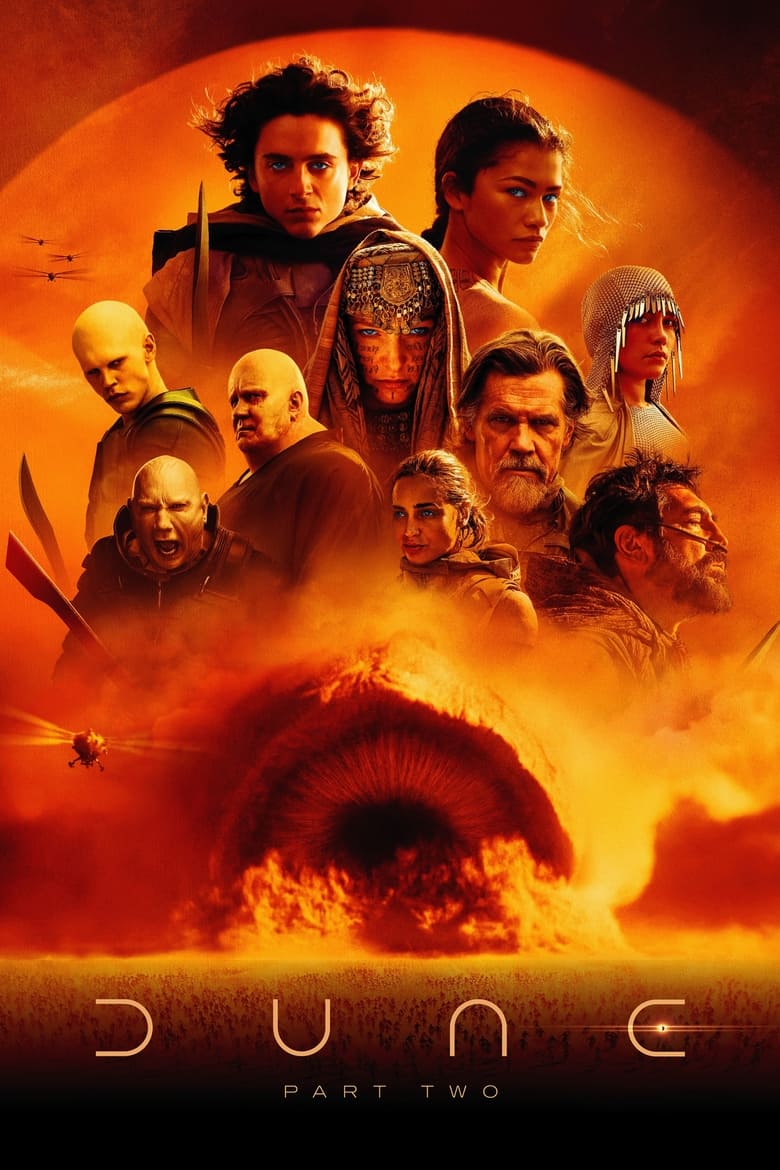
Dune: Part Two: A Cinematic Triumph That Redefined the Blockbuster
Let's be unequivocally clear: Dune: Part Two isn't just a movie; it's a seismic event in cinematic history. Denis Villeneuve's audacious sequel to his already acclaimed 2021 adaptation of Frank Herbert's legendary novel didn't just meet expectations—it pulverized them, leaving audiences and critics alike in awe. This is the kind of large-scale, visionary filmmaking we've been starved for, a film that doesn't just entertain but immerses, challenges, and elevates the very concept of a sci-fi epic.
In an era often criticized for its reliance on safe bets and predictable franchises, Dune: Part Two arrived like a sandworm bursting through the desert floor—unstoppable, breathtaking, and utterly majestic. It proved that audiences are hungry for intelligent, visually stunning stories that respect their intelligence and demand their full attention. Forget the noise, forget the endless debates; Villeneuve has delivered a modern masterpiece.
A Desert Masterpiece Delivered: Villeneuve's Unwavering Vision
From the moment the credits rolled on the first Dune, the anticipation for its continuation was palpable. Villeneuve faced the immense challenge of not only concluding the first half of Herbert's complex narrative but also escalating the stakes, expanding the world, and delivering on the promise of an even grander spectacle. He didn't just succeed; he triumphed with a clarity of vision that is rare in Hollywood today.
The cinematography by Greig Fraser is, once again, nothing short of revolutionary. Every frame is a painting, every landscape breathtakingly vast, making Arrakis feel like a character in itself. The action sequences are visceral and expertly choreographed, particularly Paul Atreides' (Timothée Chalamet) first ride on a sandworm, which isn't just a moment of spectacle but a profound rite of passage. Villeneuve understands that true spectacle isn't just about explosions; it's about scale, emotion, and meticulous world-building. He builds tension with surgical precision, allowing the narrative to breathe while constantly propelling it forward.
The Weight of Destiny: Stellar Performances and Evolving Arcs
While the visual grandeur of Dune: Part Two is undeniable, it's the performances that anchor its emotional core and give weight to its sprawling narrative. Timothée Chalamet delivers a career-defining performance as Paul Atreides, brilliantly capturing his transformation from reluctant messiah to a ruthless leader embracing his terrifying destiny. He navigates Paul's internal conflict with a nuanced intensity that is both captivating and chilling.
The ensemble cast is equally phenomenal, with several standouts:
- Zendaya as Chani: Her role is significantly expanded, offering a grounded, human perspective that challenges Paul's messianic journey and provides crucial emotional resonance.
- Rebecca Ferguson as Lady Jessica: Her chilling descent into the machinations of the Bene Gesserit, embracing her role as the Reverend Mother, is one of the film's most compelling arcs.
- Austin Butler as Feyd-Rautha Harkonnen: Truly terrifying and unforgettable, Butler sheds his Elvis persona completely, delivering a performance of pure, unadulterated menace and primal savagery.
- Javier Bardem as Stilgar: He provides moments of both fervent belief and a touch of comic relief, perfectly embodying the Fremen devotion.
- Florence Pugh as Princess Irulan: Though her screen time is limited, she exudes an intelligence and strategic presence that hints at her future importance.
Each actor fully embodies their character, contributing to a tapestry of human drama set against an epic backdrop of war and prophecy. The dynamic between Paul and Chani is particularly poignant, showcasing the personal cost of power and the erosion of love under the weight of political ambition.
Beyond the Sandworms: Themes That Resonate Deeply
What truly elevates Dune: Part Two beyond mere entertainment is its unflinching exploration of complex, often uncomfortable themes. Herbert's original novel was a cautionary tale about charismatic leaders and the dangers of religious fanaticism, and Villeneuve leans into this with masterful precision. The film doesn't shy away from depicting Paul's transformation as a tragic one, a necessary evil that comes with immense personal and societal cost.
It delves into colonialism, environmentalism, and the manipulation of faith for political gain with a maturity rarely seen in blockbusters. While the future of the MCU's grand narrative with Avengers 5 remains a topic of fervent debate, Dune: Part Two demonstrates that genre films can be both intellectually stimulating and visually spectacular without sacrificing depth. It asks difficult questions about free will versus destiny, and the responsibility that comes with wielding immense power, especially when cloaked in prophecy.
The Box Office Reign and the Future of Arrakis
Dune: Part Two wasn't just a critical darling; it was a bona fide box office behemoth, grossing over $711 million worldwide. This financial success is a clear mandate from audiences: they want more ambitious, original (or impeccably adapted) sci-fi. It proved that a film doesn't need to be a superhero tentpole to dominate the global market. Its success is a win for thoughtful, adult-oriented science fiction and a testament to the power of a director's singular vision.
The ending leaves us on a cliffhanger, with Paul fully embracing his role as the Lisan al Gaib and embarking on a holy war that promises to consume the universe. The prospect of a third film, adapting Dune Messiah, is now not just a hope but an expectation, and Villeneuve has expressed interest. If he continues to approach the material with the same reverence, boldness, and artistic integrity, we are in for another unforgettable cinematic journey.
In conclusion, Dune: Part Two is a monumental achievement, a film that will undoubtedly be studied and revered for years to come. It's a reminder of what cinema is truly capable of when vision, talent, and ambition converge. Do yourself a favor: experience this masterpiece on the biggest screen possible. It demands nothing less.
